


- Regular Price
- £19.99
- Sale Price
- £19.99
- Regular Price
- £19.99
Sold Out
- Unit Price
- per
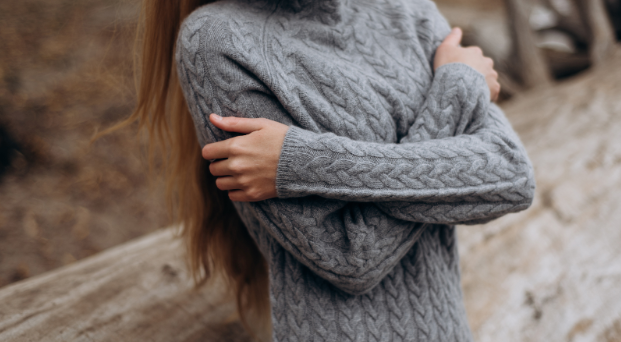
Wool is one of the most luxurious and sustainable natural fibres, but for some, it comes with an unwanted downside—itchiness. The good news is that with the right care, wool can become significantly softer and more comfortable.
This guide explains why wool can feel scratchy and outlines seven proven methods to soften wool, making it pleasant to wear and use.
Wool feels itchy because of coarse fibres that irritate the skin. The larger the fibre diameter, the more it pricks the skin. Softer wools like Merino, Cashmere, and Alpaca have finer fibres, making them much more comfortable.
According to the Woolmark Company, Merino wool’s fine fibres—less than 22 microns—reduce irritation, making it one of the best choices for sensitive skin.
For ultimate comfort, cashmere wool is among the softest natural fibres available. If you want the very best in wool softness, explore our Cashmere Baby Blanket Collection—designed to be gentle against even the most delicate skin.
Many people believe they are allergic to wool, but true wool allergies are extremely rare. Most discomfort comes from the structure of the fibres rather than an allergic reaction.
For a deeper understanding of wool sensitivity and how to choose the right type of wool, read our guide: Debunking the Myth of Wool Allergies.
Standard detergents strip wool of its natural oils, making the fibres rougher. To maintain wool’s softness, always use a wool-specific or delicate detergent.
For more on proper wool care, visit our Product Care Guide.
Warm water can cause wool fibres to lift, increasing roughness. Always rinse wool in cold water to tighten the fibres and create a smoother feel.
This method smooths the fibres, reducing their prickly feel.
Soap residue can stiffen wool over time. White vinegar naturally removes detergent buildup while helping wool fibres relax.
Vinegar also neutralizes odours, making it an excellent treatment after wool has been in storage.
Some types of wool are naturally softer than others. If you have sensitive skin, selecting a finer wool can make a significant difference.
|
Wool Type |
Softness Level |
Best For |
|
Merino Wool |
Very Soft |
Clothing, Base Layers |
|
Cashmere |
Ultra-Soft |
Luxury Knitwear |
|
Alpaca Wool |
Soft |
Sweaters, Blankets |
|
Lambswool |
Moderately Soft |
Throws, Coats |
|
Shetland Wool |
Coarser |
Heavy Outerwear |
For the ultimate in softness, cashmere and alpaca wool offer exceptional comfort. If you are looking for the softest bedtime experience, explore our Luxury Bed Socks Collection—designed for warmth and irritation-free wear.
An unconventional but effective trick is to freeze wool to tighten the fibres, reducing their roughness.
The freezing process helps wool fibres curl inward, making them softer against the skin.
Wool often feels less itchy once it has adjusted to body temperature. Instead of removing a wool garment immediately, try wearing it for 10-15 minutes. Over time, your skin adapts, making the wool feel more comfortable.
Dermatologists confirm that repeated exposure to natural fibres like wool can gradually reduce sensitivity.
Wool does not have to be itchy. By selecting high-quality wool and following the right care techniques, you can ensure your wool garments remain soft and comfortable for years to come.
For those particularly sensitive to wool, choosing Merino, Cashmere, or Alpaca wool will make the biggest difference. Proper washing and maintenance also play a crucial role in keeping wool fibres smooth.
Explore our collection of luxurious wool garments and blankets and experience the true comfort of fine wool.
Use a wool-safe detergent, rinse in cold water, and try a hair conditioner soak or vinegar treatment.
Choosing finer wools like Merino or Cashmere, wearing a base layer, and freezing wool overnight can all help reduce itchiness.
Most wools can be softened, but coarser varieties like Shetland wool will always retain some texture.
Wool softens over time with washing and wearing. The fibres also prickle less as they warm up to body temperature.
True wool allergies are rare. Most people experience irritation from coarse fibres rather than an allergic reaction.
For more details, read Debunking the Myth of Wool Allergies.
0 comments